
Why Italian design feels timely again for 2026
Confidence over correctness

For a while there, interiors were expected to behave.
Soft minimalism. Warm neutrals. Rounded edges. Furniture that politely blended in. Calm, coherent spaces. Spaces that often felt… anonymous. Good taste had become restraint.
That mood is shifting*.
What we’re seeing now, and what will only become clearer through 2026, is a return to design that registers. Objects chosen because they add something to a room, not because they disappear neatly into it. Not louder, necessarily—just more confident.
Italian design has always been comfortable here.
Rather than treating restraint as the goal, Italian designers focus on how something feels to live with. Beauty is not apologised for. Expression is not edited out. If a piece works, is well-made, and has a point of view, that is considered enough.
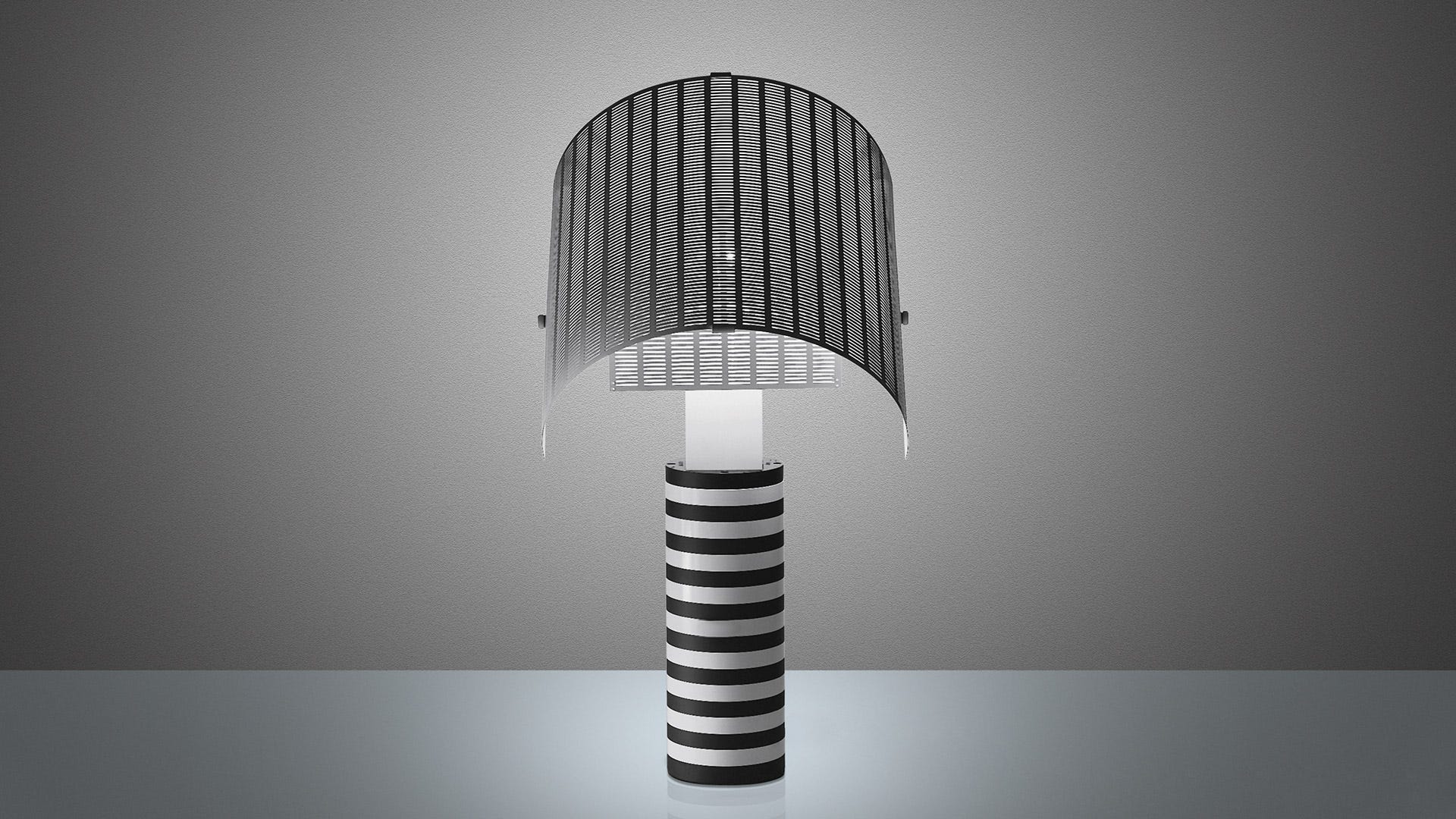
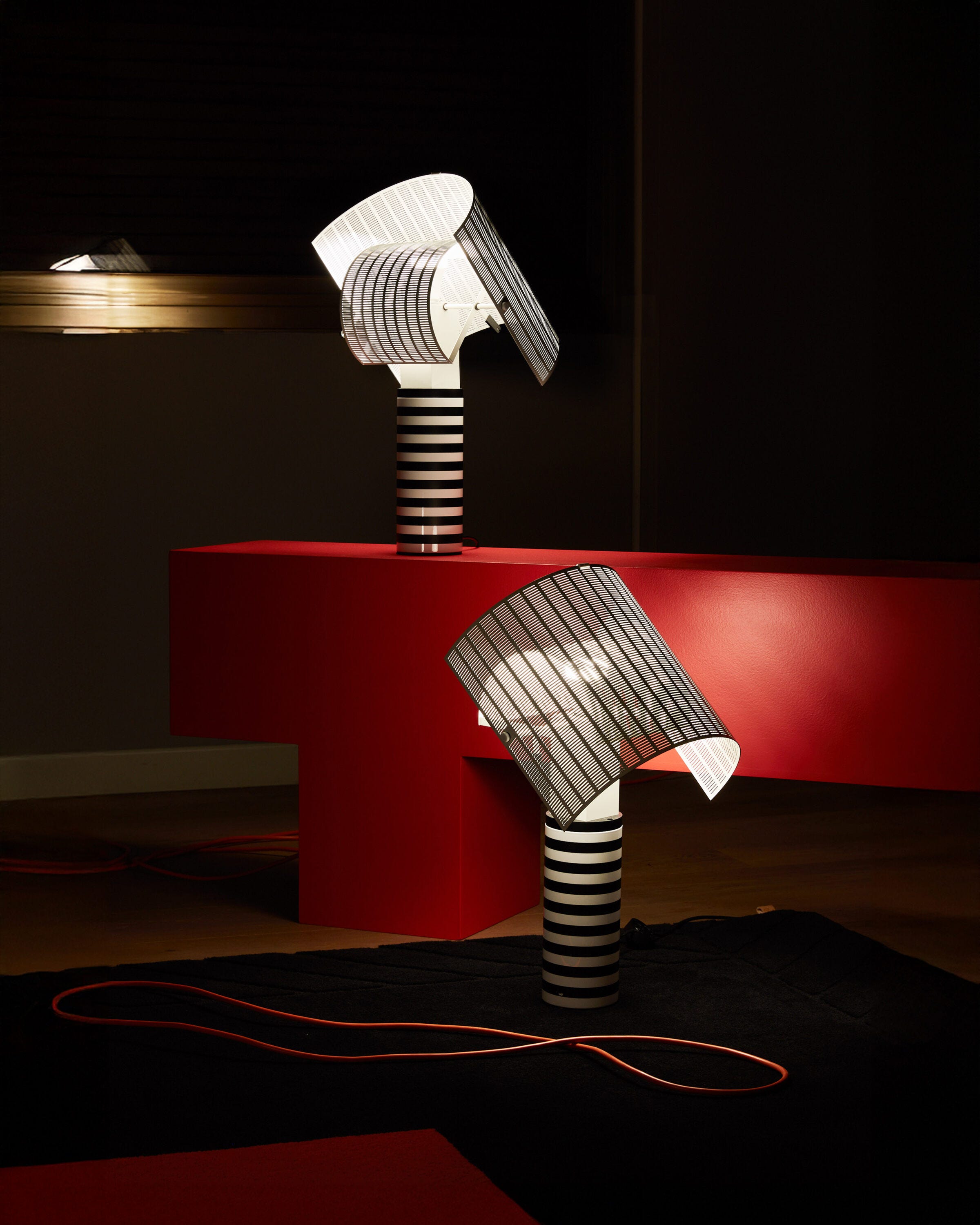
* We’re likely to see more daring Italian pieces — like the Chiara lamp or Shogun — integrated into existing interiors. Those who explored metal furniture last year (think USM, Vitsoe, etc) could be the early (re)adopters.

Taste moves in cycles. Fashion shows it. Skinny jeans did not disappear because they stopped working. They disappeared because everyone got tired of the same silhouette telling them how to look. Baggy denim returned not as nostalgia, but as relief. Interiors follow the same rhythm.
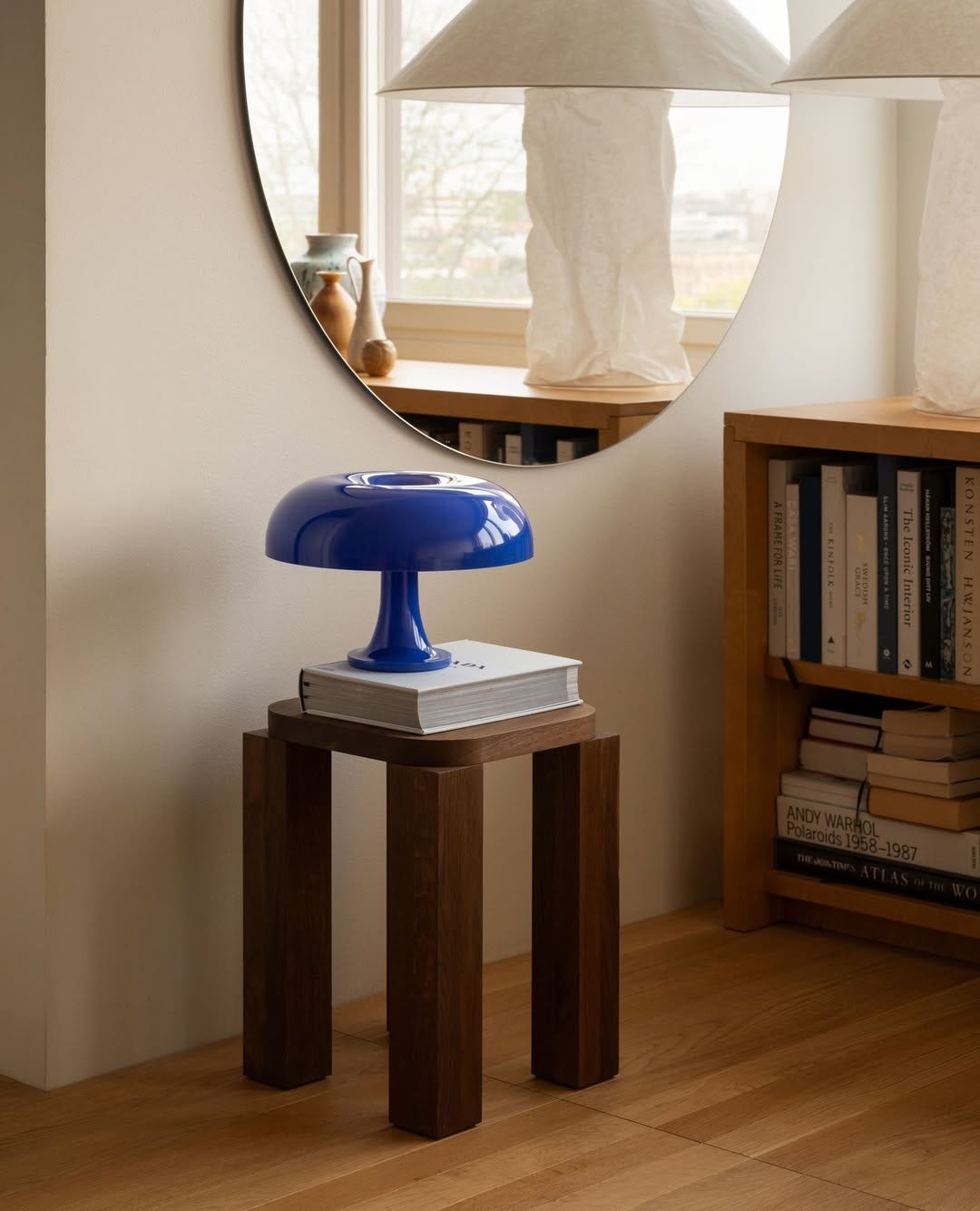
After years of softened minimalism, it’s natural to crave a little tension. Sharper outlines. Stronger material presence. Objects that feel chosen, not default.
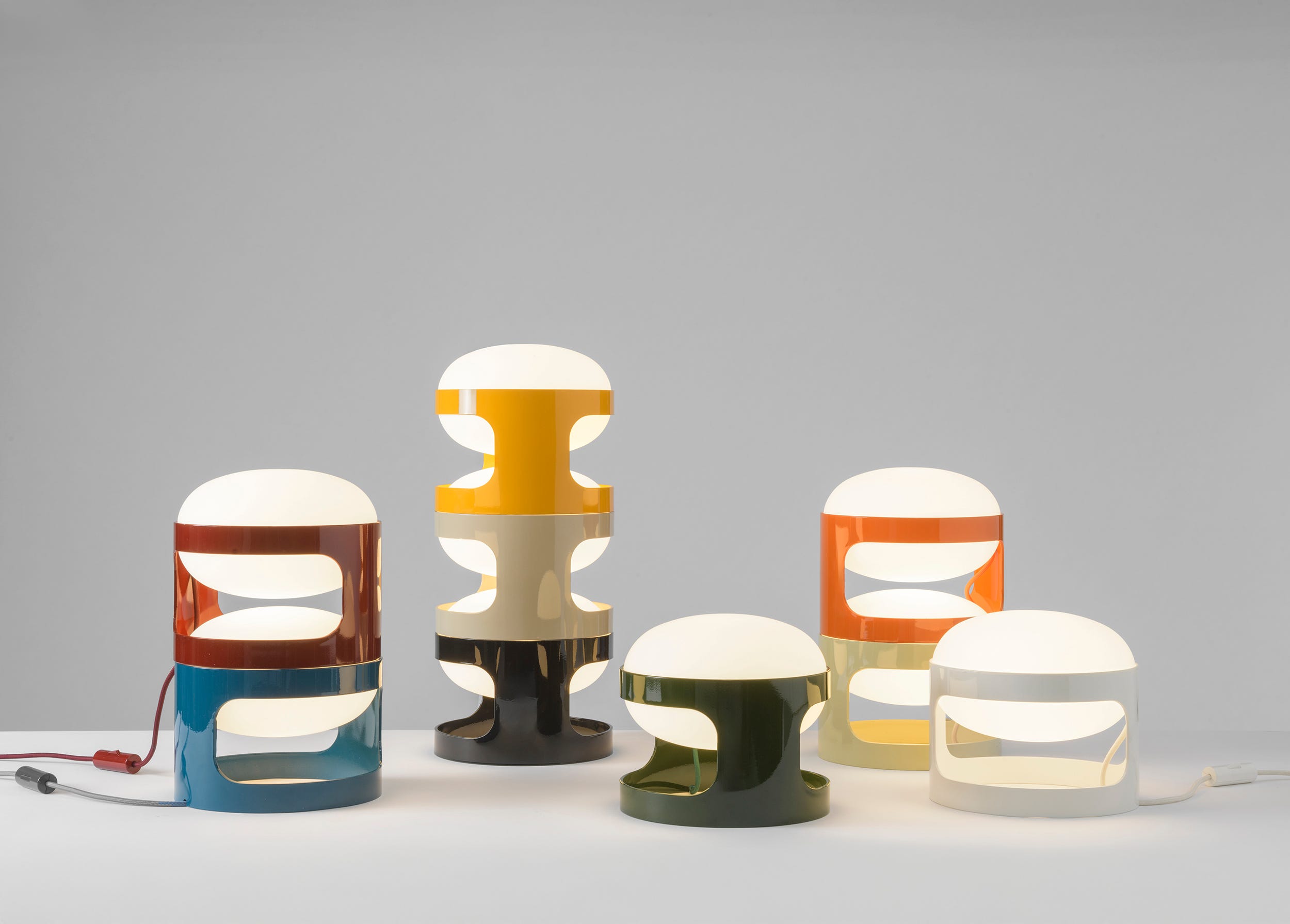
Take Kartell. Known for plastic, but really known for understanding that material innovation does not have to look technical. Their best pieces are familiar, even playful, but never naive. They sit comfortably in contemporary homes because they do not try too hard to behave. They assume the owner has made a choice.
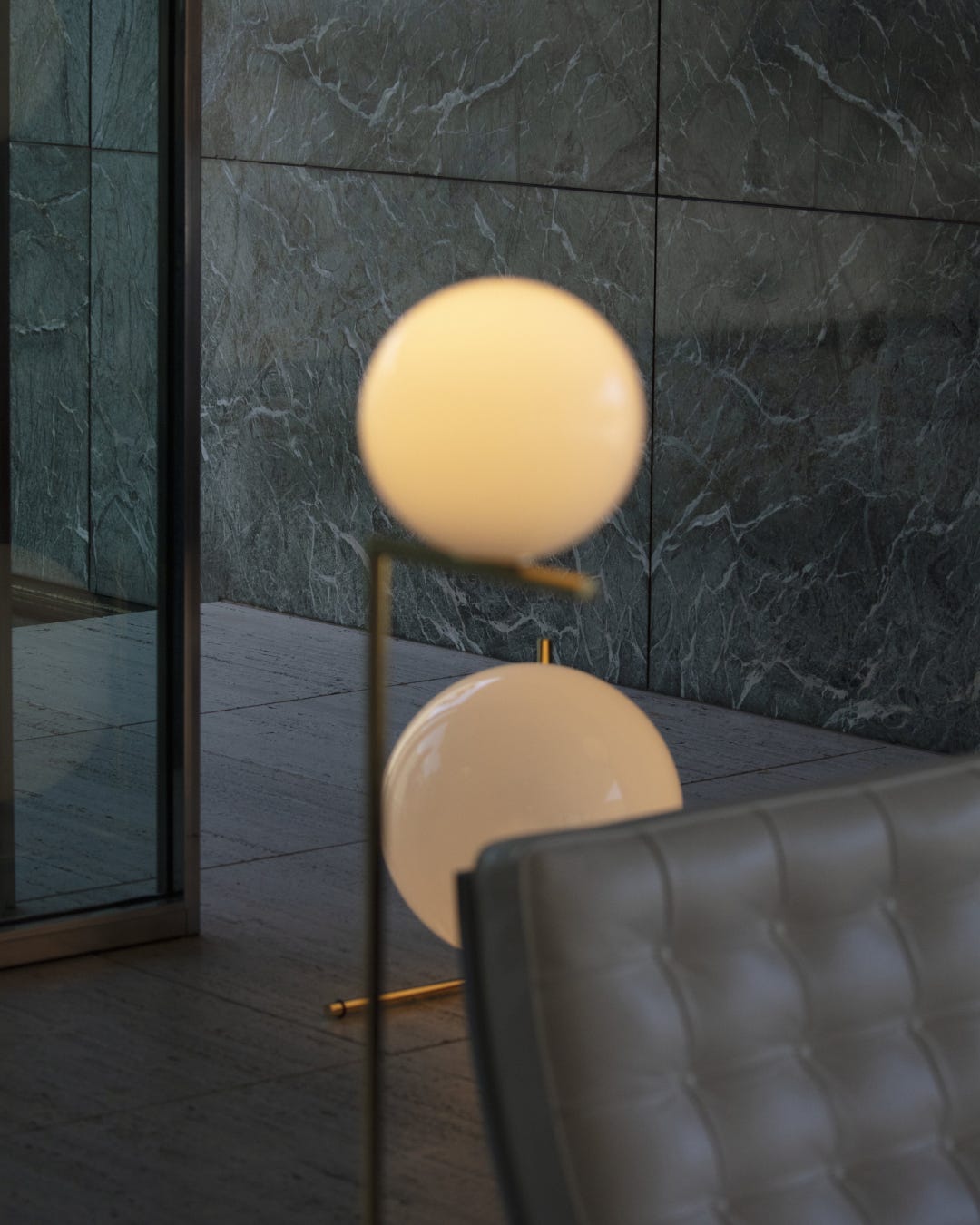
Italian lighting makes this even clearer. Flos designs lights that are objects first, anchors in a room rather than background utilities. They shape space without shouting. Artemide approaches it from a more architectural angle. Precise, technical, but always human. Light meant to be lived with, not just specified.
This confidence also explains why Italian design sits comfortably alongside the wider move towards more expressive interiors. The recent interest in maximalism, “recluttering”, and intentional clutter is not really about excess. It’s about permission. For objects to matter. For rooms to feel layered, personal, lived in.
Italian design rarely tips into chaos. It trusts form, material, and proportion. It doesn’t ask to be justified. And right now, after a long moment of enforced quiet, that feels timely.
Not because it aligns neatly with a trend forecast. But because it reminds us that good design has always been about living well, not living correctly.